
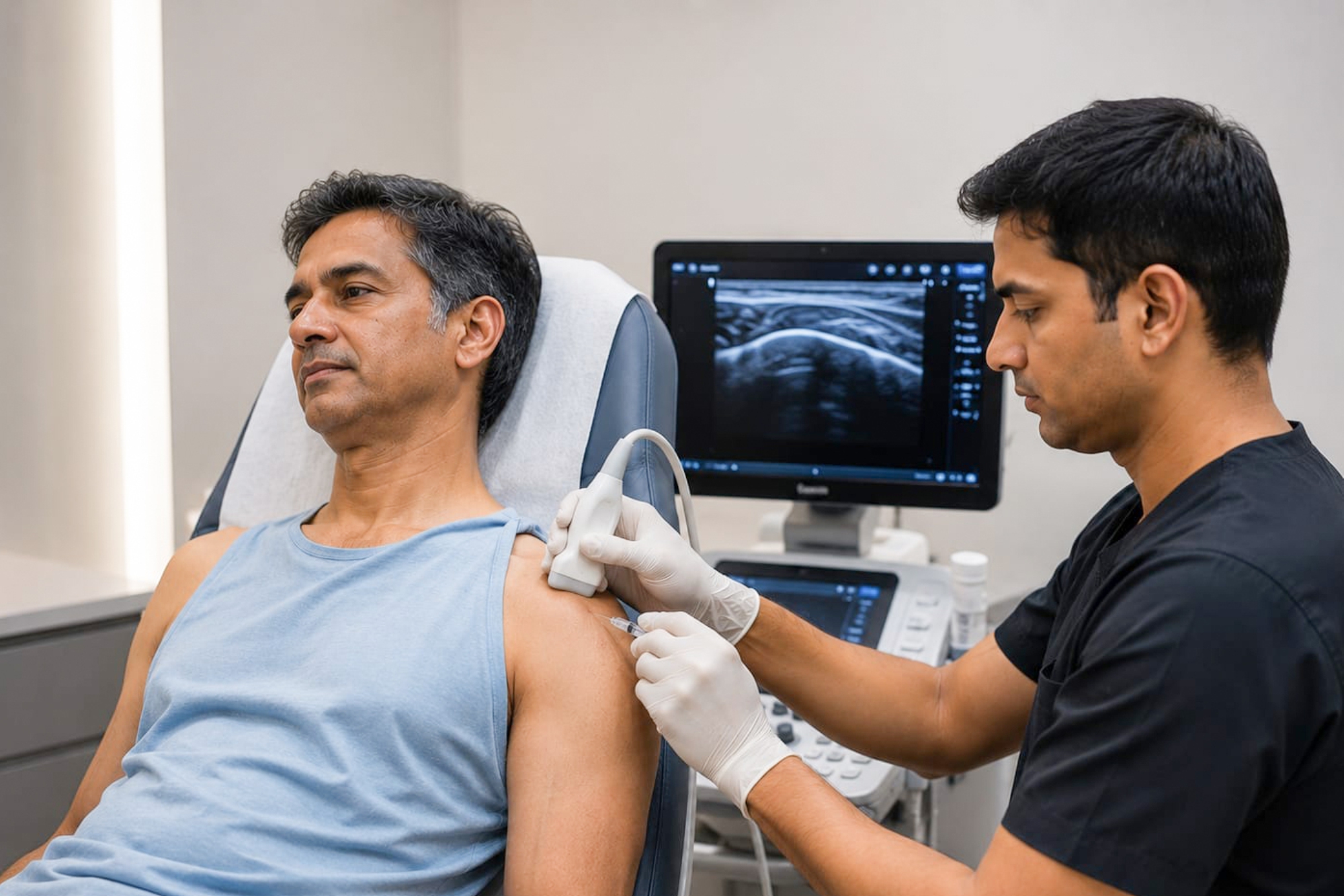
Understanding Shoulder Pain: Causes, Symptoms and Treatment Options
Shoulder pain is a common musculoskeletal concern that can affect movement, strength and daily activities. Simple tasks such as lifting the arm, reaching overhead, exercising or sleeping comfortably…
Understanding Shoulder Pain and Its Impact on Daily Life
Shoulder pain is a common musculoskeletal concern that can affect movement, strength and daily activities. Simple tasks such as lifting the arm, reaching overhead, exercising or sleeping comfortably can become challenging when shoulder function is affected.
The shoulder is one of the most mobile joints in the body. It depends on the coordinated function of bones, muscles, tendons, ligaments and soft tissues to provide stability and movement. Because of this complexity, discomfort may develop due to several different causes.
As shoulder problems can significantly affect daily function, many individuals seek professional guidance for pain management alongside assessment of the underlying cause.
While occasional shoulder discomfort may improve with rest and appropriate care, persistent or worsening pain should not be ignored. Identifying the underlying cause is important because treatment approaches can vary depending on whether the issue involves inflammation, tendon injury, joint changes or movement imbalance.
What Causes Shoulder Pain?
Shoulder pain can occur due to injuries, repetitive stress, ageing related changes or conditions affecting the surrounding tissues. Some common causes include:
Rotator Cuff Problems: The rotator cuff is a group of muscles and tendons that help stabilise the shoulder and support movement. Repetitive overhead activity, sports, lifting or age related changes may contribute to irritation, inflammation or tears within these structures.
Common symptoms include:
- Pain while raising or lowering the arm
- Weakness during shoulder movements
- Difficulty with daily activities
- Discomfort that may disturb sleep
Shoulder Impingement: It occurs when tissues around the shoulder become irritated during certain movements. This may affect tendons and soft tissues, causing pain and reduced movement.
Early assessment can help identify contributing factors such as movement patterns, muscle imbalance or inflammation.
Frozen Shoulder: Frozen shoulder, medically known as adhesive capsulitis, is a condition in which the shoulder becomes progressively stiff and movement gradually becomes restricted.
People may experience:
- Reduced shoulder mobility
- Difficulty reaching or rotating the arm
- Pain during movement
- Stiffness affecting daily activities
Arthritis Related Shoulder Pain: Changes within the joint, including cartilage wear and inflammation, may contribute to shoulder arthritis. Symptoms may include stiffness, discomfort and reduced range of motion.
The appropriate management approach depends on the severity of joint changes and individual health factors.
Is Shoulder Pain Treatable Without Surgery?
Many people ask, “Is shoulder pain treatable without surgery?” The answer depends on the cause, severity and individual circumstances.
A wide range of shoulder problems may be managed through non-surgical approaches, including:
- Physiotherapy
- Strength and mobility exercises
- Activity modification
- Lifestyle support
- Targeted medical treatments where appropriate
However, some conditions may require surgical assessment, particularly when there is significant structural damage or when other treatments have not provided sufficient improvement.
The goal is not to avoid surgery in every situation. The goal is to identify the most appropriate treatment option based on accurate diagnosis and individual needs.
Shoulder Pain Treatment Options
Effective shoulder pain treatment focuses on addressing the underlying reason behind discomfort and supporting better function.
Physiotherapy and Rehabilitation: Physiotherapy remains an important part of orthopaedic pain management and can help improve movement, strength and overall shoulder function through structured rehabilitation programmes.
A personalised rehabilitation programme may help improve:
- Strength
- Flexibility
- Joint movement
- Muscle coordination
- Posture and biomechanics
Improving movement patterns can help reduce unnecessary stress on shoulder structures and support long term function.
Managing Inflammation and Recovery Factors: Inflammation, lifestyle factors and overall health can influence how the body responds to injury and recovery.
A comprehensive approach to pain management and recovery may involve:
- Balanced nutrition
- Adequate protein intake
- Regular movement
- Quality sleep
- Addressing factors that may affect inflammation
A whole body approach can help create better conditions for recovery.
Orthobiologics and Emerging Biological Approaches for Shoulder Conditions: Orthobiologics are biological therapies that continue to be investigated for their potential role in supporting tissue repair and recovery in selected musculoskeletal conditions. Evidence varies between different conditions and treatment approaches. They may be considered in selected cases involving certain tendon, ligament and joint related conditions following clinical assessment.
Orthobiological options may include:
- PRP (Platelet Rich Plasma): Uses concentrated platelets and growth factors obtained from the patient’s own blood.
- GFC (Growth Factor Concentrate): Focuses on selected healing-related proteins.
- BMAC (Bone Marrow Aspirate Concentrate): Contains bone marrow-derived biological components.
- MFAT (Microfragmented Fat Tissue): Contains adipose tissue-derived biological components that are being studied for their potential role in musculoskeletal applications.
Selected donor-derived tissue or tissue-matrix products may be considered in specific clinical circumstances where appropriate and permitted by applicable regulations.
These treatments are not suitable for every patient. Current evidence continues to evolve and suitability depends on factors such as diagnosis, severity of the condition, overall health and clinical assessment.
Shoulder Pain Treatment Options
Effective shoulder pain treatment focuses on addressing the underlying reason behind discomfort and supporting better function.
Physiotherapy and Rehabilitation: Physiotherapy remains an important part of orthopaedic pain management and can help improve movement, strength and overall shoulder function through structured rehabilitation programmes.
A personalised rehabilitation programme may help improve:
- Strength
- Flexibility
- Joint movement
- Muscle coordination
- Posture and biomechanics
Improving movement patterns can help reduce unnecessary stress on shoulder structures and support long term function.
Managing Inflammation and Recovery Factors: Inflammation, lifestyle factors and overall health can influence how the body responds to injury and recovery.
A comprehensive approach to pain management and recovery may involve:
- Balanced nutrition
- Adequate protein intake
- Regular movement
- Quality sleep
- Addressing factors that may affect inflammation
A whole body approach can help create better conditions for recovery.
Orthobiologics and Emerging Biological Approaches for Shoulder Conditions: Orthobiologics are biological therapies that continue to be investigated for their potential role in supporting tissue repair and recovery in selected musculoskeletal conditions. Evidence varies between different conditions and treatment approaches. They may be considered in selected cases involving certain tendon, ligament and joint related conditions following clinical assessment.
Orthobiological options may include:
- PRP (Platelet Rich Plasma): Uses concentrated platelets and growth factors obtained from the patient’s own blood.
- GFC (Growth Factor Concentrate): Focuses on selected healing-related proteins.
- BMAC (Bone Marrow Aspirate Concentrate): Contains bone marrow-derived biological components.
- MFAT (Microfragmented Fat Tissue): Contains adipose tissue-derived biological components that are being studied for their potential role in musculoskeletal applications.
Selected donor-derived tissue or tissue-matrix products may be considered in specific clinical circumstances where appropriate and permitted by applicable regulations.
These treatments are not suitable for every patient. Current evidence continues to evolve and suitability depends on factors such as diagnosis, severity of the condition, overall health and clinical assessment.
How Can Shoulder Pain Be Managed?
The right way to manage shoulder pain depends on identifying the cause. Some supportive strategies include:
Improve Shoulder Mobility: Gentle, structured exercises can help maintain movement and reduce stiffness. However, exercises should be selected according to the condition because certain injuries may require specific rehabilitation approaches.
Strengthen Supporting Muscles: The muscles around the shoulder provide stability and control. Improving strength and coordination may help support better movement and reduce strain.
Correct Movement Patterns: Poor posture, repetitive activities and incorrect lifting techniques can contribute to shoulder discomfort. A movement assessment can help identify factors affecting shoulder function.
Support Overall Health: Recovery is influenced by the body’s overall condition. Managing inflammation, maintaining a healthy lifestyle and addressing nutritional needs may support better outcomes.
When Should You See an Orthopaedic Expert?
Professional evaluation may be helpful if you experience:
- Shoulder pain that continues for several weeks
- Increasing weakness
- Difficulty moving the shoulder
- Pain affecting sleep or daily activities
- Repeated shoulder injuries
Urgent medical attention may be required if shoulder pain follows significant trauma, is associated with sudden swelling or deformity, is accompanied by fever or occurs alongside chest pain or shortness of breath.
Conclusion
Shoulder pain can affect movement, comfort and quality of life, but understanding the cause is the first step towards effective management.
Modern treatment options range from physiotherapy and rehabilitation to selected biological approaches that may be considered in appropriate cases following clinical assessment. The right choice depends on individual assessment, clinical findings and personal health goals.
At Mitogenez Longevity, our focus is personalised care, scientific understanding and supporting long-term joint health through appropriate treatment strategies.
Early evaluation can help identify the underlying cause of shoulder pain and support informed decisions about appropriate management and recovery strategies.
Disclaimer: The information provided on this page is for educational and informational purposes only and is not intended as medical advice, diagnosis or treatment. Orthobiologic and regenerative approaches are evolving fields. Not all therapies are suitable for every individual. Treatment recommendations should be based on professional clinical assessment. Always seek the advice of your physician or a qualified healthcare provider with any questions you may have regarding a medical condition or treatment pathways.