The Benefits of Integrated Physiotherapy for Recovery
Pain relief is often where rehabilitation begins, but effective recovery goes beyond managing symptoms. It focuses on restoring movement, rebuilding strength and improving the body’s ability to…
Pain relief is often where rehabilitation begins, but effective recovery goes beyond managing symptoms. It focuses on restoring movement, rebuilding strength and improving the body’s ability to perform everyday activities with greater confidence. This requires more than isolated treatments or short term symptom relief. It requires a rehabilitation programme that considers the individual’s condition, functional goals and the factors that influence recovery.
Integrated physiotherapy follows this approach by combining assessment, rehabilitation and clinical decision making within one coordinated pathway. Rather than functioning as a separate service, physiotherapy connects diagnosis, treatment planning and long-term rehabilitation to support a more comprehensive recovery process.
Why Integrated Physiotherapy Is Different
One of the challenges in rehabilitation is the gap that can sometimes exist between diagnosis, treatment and recovery planning. In some healthcare settings, diagnosis and rehabilitation may happen through separate pathways, with limited communication between different healthcare professionals.
Integrated physiotherapy helps bridge these gaps.
The orthopaedic specialist involved in diagnosis remains connected throughout the rehabilitation journey. The physiotherapist leads active rehabilitation, while approaches such as regenerative medicine or functional medicine evaluation may be considered when clinically appropriate. Each healthcare professional contributes towards shared rehabilitation goals while working with coordinated clinical information.
This collaborative approach creates a connected care pathway throughout recovery. If rehabilitation progress slows, the treatment plan can be reassessed. If additional interventions are required, they can be integrated into the overall recovery plan. If lifestyle or systemic factors are affecting recovery, further evaluation can be considered without interrupting the rehabilitation process.
Guided Rehabilitation
Exercise is one of the most important components of physiotherapy. Carefully planned rehabilitation exercises are designed to improve joint mobility, rebuild muscle strength and improve the body’s ability to perform everyday activities with better movement and control.
Benefits of guided rehabilitation may include:
- Improved flexibility and joint movement.
- Better muscle strength and stability.
- Improved balance and coordination.
- Increased confidence during daily activities.
- Progressive return to work, sports and recreational activities.
Rather than focusing only on reducing pain, rehabilitation aims to progressively improve movement, function and physical capacity based on individual recovery goals.
When Pain Prevents Progress
Pain can sometimes become a barrier to effective rehabilitation. When movement causes discomfort, individuals may naturally reduce movement and activity, which can contribute to reduced mobility, muscle weakness and slower progress.
For carefully selected patients, orthopaedic specialists may use precise ultrasound guided pain management procedures, such as targeted nerve blocks, to temporarily reduce pain and create an opportunity for more effective participation in physiotherapy. These procedures may be considered for conditions affecting areas such as the shoulder, spine, knee, ankle and other painful joints where pain is limiting movement and rehabilitation progress.
The procedure is not the complete treatment. It is a supportive step that may help patients participate more effectively in rehabilitation. Physiotherapy during this period focuses on improving joint mobility, flexibility and strength to support continued functional recovery beyond the temporary reduction in pain.
Recovery Therapies That Complement Physiotherapy
Integrated physiotherapy may also work alongside selected supportive recovery therapies when clinically appropriate.
Red Light Therapy: It may be used as a supportive modality and is being explored for its potential role in pain management, tissue recovery and rehabilitation support alongside appropriate physiotherapy.
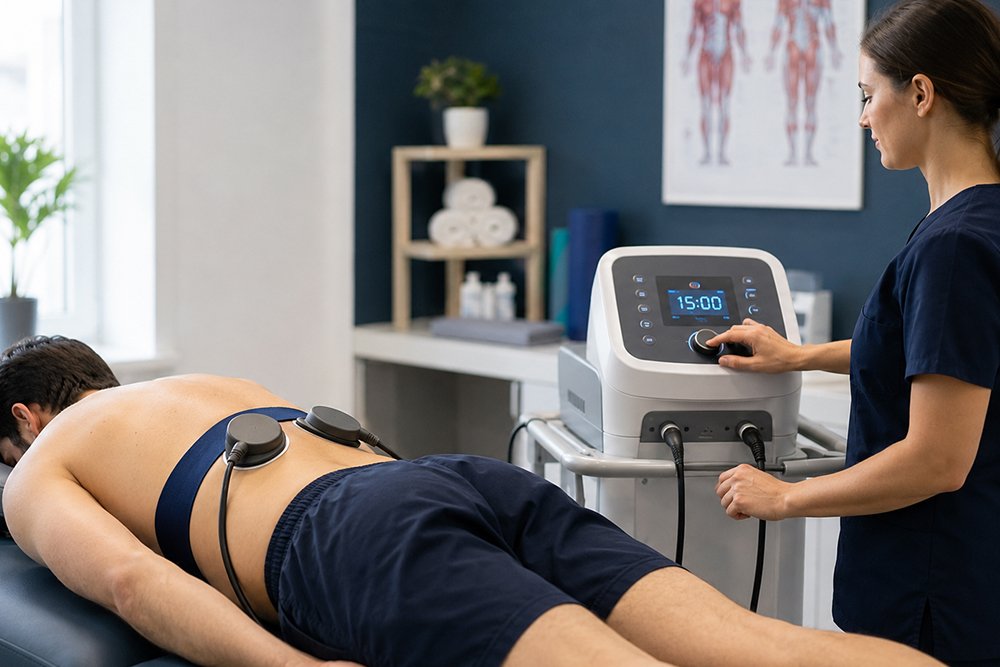
PEMF Therapy: Pulsed Electromagnetic Field Therapy may support recovery processes and is being studied for its role in areas such as bone healing and soft tissue recovery, including selected rehabilitation settings.
HBOT: Hyperbaric Oxygen Therapy increases oxygen availability to tissues during treatment sessions and may complement rehabilitation in specific cases, including selected post surgical recovery protocols, when recommended by healthcare professionals.
These therapies do not replace physiotherapy or active rehabilitation. They are considered supportive approaches that may help patients participate in and progress through their personalised rehabilitation programme.
Conclusion
The greatest benefit of integrated physiotherapy is its focus on restoring function rather than only managing symptoms. Recovery is assessed through improvements in movement, strength, mobility and confidence, alongside overall functional progress.
By combining surgeon led assessment, physiotherapist led rehabilitation, supportive rehabilitation modalities and coordinated multidisciplinary care, integrated physiotherapy creates a more connected pathway for recovery. Whether recovering from an injury, surgery or a chronic musculoskeletal condition, rehabilitation aims to progressively improve physical capacity and support a return to daily activities with better movement, confidence and long-term musculoskeletal wellbeing.
At Mitogenez Longevity Clinic, physiotherapy is integrated with orthopaedic care to create personalised rehabilitation programmes designed around each individual’s condition, recovery goals and functional needs. Through evidence based rehabilitation strategies and coordinated multidisciplinary care, we aim to support improved movement, functional recovery and long-term musculoskeletal wellbeing.
Disclaimer: This article is intended for educational and informational purposes only and should not be considered medical advice, diagnosis or treatment. Individual health needs vary, and dietary or lifestyle changes should be discussed with a qualified healthcare professional. If you have an existing medical condition or ongoing symptoms, seek personalised medical guidance before making significant changes to your diet or health routine.