
Microplastics and Nanoplastics: The Hidden Threat to Human Health and Longevity
Plastic has transformed modern life. From food packaging and clothing to medical equipment and electronics, plastic has become an essential part of daily living. Yet as plastic use has increased…
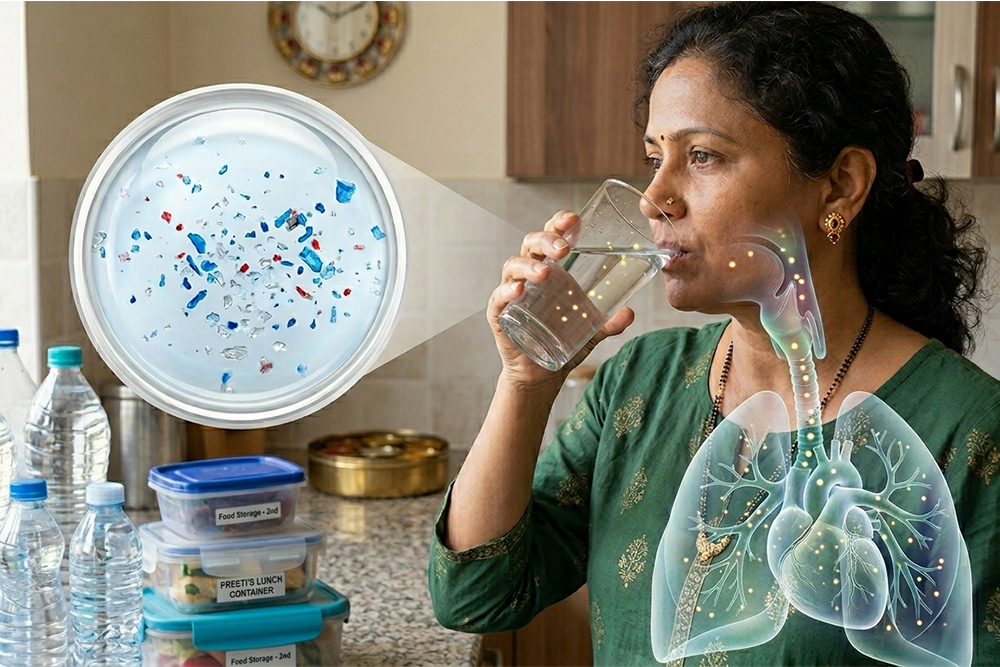
Plastic has transformed modern life. From food packaging and clothing to medical equipment and electronics, plastic has become an essential part of daily living. Yet as plastic use has increased across the world, researchers have uncovered a growing concern. Tiny fragments known as microplastics and nanoplastics are now being found not only in the environment but also within the human body.
At Mitogenez Longevity, we believe that understanding environmental factors that influence health is essential for supporting long term wellbeing. Emerging research suggests that microplastics and nanoplastics may contribute to inflammation, oxidative stress and cellular dysfunction, all of which are linked with ageing and chronic disease.
What Are Microplastics and Nanoplastics?
Microplastics are plastic particles smaller than five millimetres. Nanoplastics are even smaller, often invisible even under standard microscopes. These particles are formed when larger plastic products gradually break down due to sunlight, heat, friction and environmental exposure.
Common sources include:
- Plastic bottles and food packaging
- Synthetic clothing such as polyester and nylon
- Tyre wear from vehicles
- Household dust
- Food storage containers
- Personal care products containing plastic ingredients
Because plastics do not fully decompose, they continue breaking into increasingly smaller fragments that can enter our environment and eventually our bodies.
How Do Microplastics Enter the Human Body?
Research suggests there are three primary routes of exposure.
Inhalation
Every day, we breathe thousands of litres of air. Along with oxygen, we may inhale microscopic plastic fibres released from clothing, carpets, furniture and road dust. Smaller particles can travel deep into the lungs, where some may enter the bloodstream.
Ingestion
Food and beverages are considered major sources of exposure. Plastic particles have been identified in bottled water, packaged foods and even household dust that settles on meals. Heating food in plastic containers may also increase the release of microscopic particles.
Skin Contact
Healthy skin acts as a strong protective barrier. However, very small nanoplastics and certain plastic associated chemicals may enter through hair follicles, sweat glands or damaged skin, particularly when heat, moisture and friction are present.
Where Have Microplastics Been Found in the Human Body?
Over the past few years, scientific studies have identified microplastics and nanoplastics in several human tissues.
Over the past few years, scientific studies have identified microplastics and nanoplastics in several human tissues, including blood samples, placental tissue, arterial plaques, and even brain tissue.
One recent study detected microplastics in nearly 90 per cent of blood samples analysed. Other investigations have found plastic particles within placental tissue, highlighting potential exposure even before birth.
While the long term implications remain under investigation, these findings demonstrate that plastic particles are no longer just an environmental issue. They have become a biological issue.
How Microplastics May Affect Human Health
Scientists are actively studying the health effects of microplastics and nanoplastics. Although research continues to evolve, several biological mechanisms have been identified.
Chronic Inflammation
When the immune system encounters foreign particles, it activates protective responses. Because the body cannot easily break down plastic particles, this immune response may remain active for prolonged periods.
Chronic low grade inflammation has been associated with:
- Cardiovascular disease
- Type 2 diabetes
- Obesity
- Cognitive decline
- Accelerated ageing
Microplastics may contribute to this inflammatory burden.
Oxidative Stress and Cellular Damage
Microplastics appear capable of increasing the production of reactive oxygen species. These unstable molecules can damage DNA, proteins and cell membranes.
Oxidative stress may:
- Accelerate biological ageing
- Damage mitochondria
- Reduce cellular energy production
- Contribute to chronic disease development
Protecting mitochondrial health is a key aspect of healthy ageing and longevity.
Hormonal Disruption
Many plastics contain chemicals such as bisphenols and phthalates that may interfere with normal hormone function.
Research suggests these compounds may influence:
- Testosterone levels
- Oestrogen balance
- Thyroid function
- Reproductive health
- Fertility
Even small disruptions in hormone regulation can have widespread effects throughout the body.
Gut Health and the Microbiome
The digestive tract contains trillions of beneficial microorganisms that help regulate immunity, metabolism and inflammation.
Studies suggest that microplastics may alter the composition of gut bacteria, potentially contributing to:
- Reduced microbial diversity
- Increased intestinal permeability
- Digestive discomfort
- Immune dysfunction
A healthy gut microbiome remains one of the foundations of long term health and resilience.
Microplastics and Cardiovascular Health
One of the most concerning areas of research involves cardiovascular disease.
Scientists have identified microplastics embedded within arterial plaques. In one study, individuals whose plaques contained microplastics appeared to have a significantly higher risk of cardiovascular events compared with those without detectable particles.
Researchers believe several mechanisms may contribute:
- Increased inflammation within blood vessels
- Endothelial dysfunction
- Greater plaque instability
- Enhanced clotting potential
While further studies are required, these findings highlight a possible connection between plastic exposure and heart health.
Could Microplastics Affect Brain Health?
The brain has emerged as another important area of investigation.
Recent research has reported nanoplastic accumulation within brain tissue and blood vessels. Some studies have observed higher concentrations in individuals diagnosed with dementia.
Although current research does not prove that microplastics directly cause dementia, scientists are investigating whether long term exposure may contribute to processes associated with cognitive decline.
These include neuroinflammation, increased oxidative stress, impaired communication between cells and accelerated brain ageing.
As the brain is highly sensitive to inflammation and cellular damage, understanding the potential effects of microplastics on neurological health has become an important area of ongoing research. Maintaining cognitive function is a key aspect of healthy ageing and longevity, making these findings particularly relevant.
Practical Ways to Reduce Exposure
Completely avoiding microplastics is unrealistic in today’s world. However, several practical measures may help reduce exposure.
| Exposure Source | What to Do? |
|---|---|
| Drinking Water |
|
| Reduce Plastic Use in the Kitchen |
|
| Indoor Air Quality |
|
| Clothing & Fitness |
|
Small lifestyle adjustments can significantly reduce cumulative exposure over time.
Supporting the Body's Natural Defences
Although there is currently no proven method to completely remove microplastics from the body, supporting the body’s natural defence and repair mechanisms may help reduce some of their potential effects.
A diet rich in fibre from vegetables, fruits and legumes can support digestive health and normal elimination processes, while antioxidant rich foods such as berries and green tea may help combat oxidative stress. Including omega 3 fatty acids from sources such as oily fish, flaxseed and walnuts can support healthy inflammation regulation.
Alongside nutrition, prioritising quality sleep, managing stress effectively and engaging in regular physical activity are important for maintaining overall health. Together, these lifestyle strategies support mitochondrial function, metabolic health and the body’s ability to adapt to environmental challenges.
Conclusion
Microplastics and nanoplastics represent one of the most significant emerging environmental health challenges of our time. These particles have been identified in blood, arteries, placental tissue, reproductive organs and even the brain, raising important questions about their role in human health.
While research is still developing, current evidence suggests that microplastics may contribute to inflammation, oxidative stress, hormonal disruption and impaired cellular function. These mechanisms are closely linked with ageing and many chronic diseases.
At Mitogenez Longevity, we believe that awareness is the first step towards action. By reducing exposure where possible and strengthening the body’s natural resilience through personalised health strategies, it is possible to navigate today’s increasingly complex environment while supporting long term vitality, health and longevity.
Disclaimer: This content is for general informational purposes only and does not constitute medical advice, diagnosis or treatment. Always consult a qualified healthcare professional with any questions regarding a medical condition or health objective.