
Is Joint Pain Treatable Without Surgery? A Comprehensive Guide to Non‑Surgical Options
Joint pain affects millions of people worldwide and can significantly impair daily life and longevity prospects. According to the World Health Organization, osteoarthritis is among the leading causes…
Is Joint Pain Manageable Without Surgery? A Comprehensive Guide to Non‑Surgical Options
Joint pain affects millions of people worldwide and can significantly impair daily life and longevity prospects. According to the World Health Organization, osteoarthritis is among the leading causes of disability globally. While surgery is sometimes necessary, managing joint pain through non‑surgical means is not only possible but increasingly supported by scientific evidence. At Mitogenez, understanding ways to address joint pain without invasive procedures can empower patients to achieve long-term mobility and quality of life.
This article explores causes of joint pain, evidence‑based joint pain management without surgery, advanced regenerative approaches such as orthobiologics and practical steps you can take to manage or reverse symptoms.
Joint Pain and Its Causes
Joint pain is the discomfort, aching or inflammation experienced in any joint of the body commonly the knees, shoulders, wrists, hips or elbows. It results from a variety of underlying factors:
Common causes of joint pain
- Osteoarthritis: Degeneration of cartilage in weight‑bearing joints such as the knees and hips.
- Inflammatory arthritis: Including rheumatoid arthritis and other autoimmune conditions.
- Overuse injuries: Such as tennis elbow or chronic tendon strain.
- Traumatic injuries: Ligament tears, sprains or cartilage damage.
- Metabolic conditions: Gout and other crystal‑related arthropathies.
The severity of symptoms can range from mild discomfort to debilitating pain that affects mobility and sleep. Although many people assume surgery is inevitable, the evidence shows that with early and correct intervention, joint pain is manageable in most cases without surgical procedures.
Is joint pain manageable without surgery?
The short answer is yes for a large proportion of patients joint pain management without surgery can be effective, particularly when started early. Individuals with mild to moderate knee osteoarthritis can manage symptoms effectively without joint replacement surgery through combined therapeutic strategies.
These strategies include physiotherapy, regenerative medicine and lifestyle modification, where appropriate and advanced orthobiologic injections that support healing and reduce inflammation.
At Mitogenez, personalised, evidence-based approaches help ensure that patients explore all viable ways to address joint pain before considering surgical options.
Conventional Non‑Surgical Treatments
Physiotherapy and exercise
Physical therapy remains a cornerstone in how to manage joint pain. Targeted exercises improve muscle strength around joints, enhance flexibility and reduce mechanical stress.
Benefits include:
- Improved joint range of motion
- Better stability
- Reduced pain and stiffness
A tailored exercise programme prescribed by a qualified physiotherapist is essential in maximising results.
Weight management
Excess body weight increases stress on weight‑bearing joints like the knees and hips. Even modest weight loss (5 – 10 %) can substantially reduce joint load and pain intensity.
Medications
Non-steroidal anti‑inflammatory drugs (NSAIDs) and analgesics can provide short‑term symptom relief, but they do not address underlying tissue damage. Their use should be balanced against potential gastrointestinal and cardiovascular risks, especially in older patients.
Lifestyle modifications
Adapting daily activities to reduce repetitive strain. For example, avoiding prolonged standing or adjusting work ergonomics can aid in symptom control.
Advanced Non‑Surgical Options
When conservative therapies provide insufficient relief, regenerative medicine offers best ways to manage joint pain at a biological level. At Mitogenez, advanced joint pain management without surgery focuses on stimulating the body’s inherent healing processes.
What are orthobiologics?
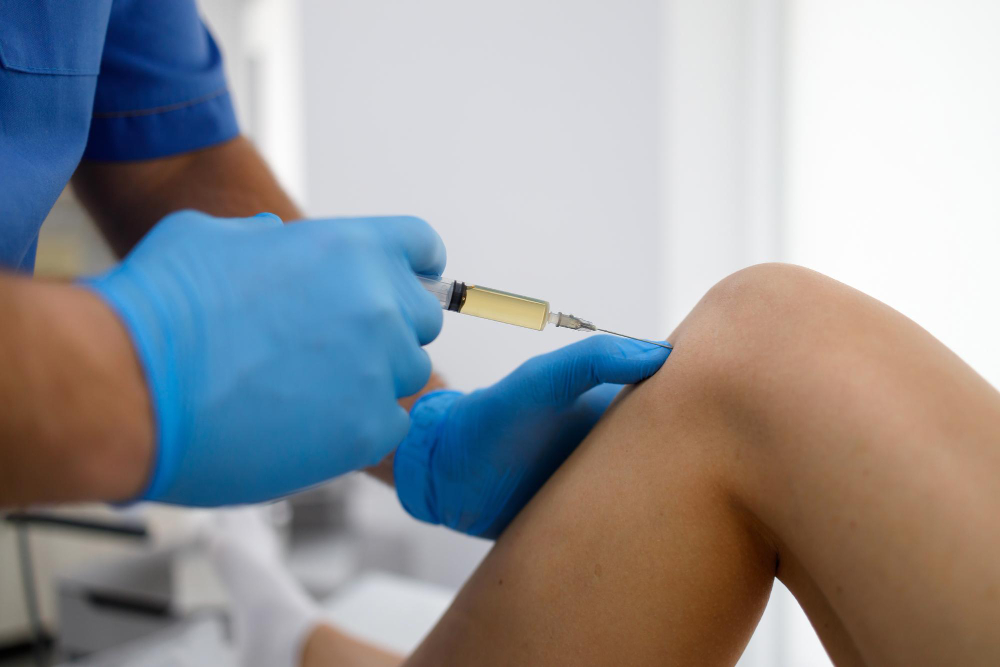
Orthobiologics use biological substances, often derived from your own body, to accelerate healing of bones, cartilage, tendons and ligaments. Instead of replacing damaged tissue with implants, these therapies encourage repair and regeneration.
Key options include:
- PRP (Platelet‑Rich Plasma): A concentration of your own platelets rich in growth factors that reduce inflammation and enhance tissue repair.
- GFC (Growth Factor Concentrate): Refined proteins that support regeneration.
- Autologous Cellular Fractions: Regenerative therapies derived from the patient own tissues used for chronic joint or tendon issues in clinically appropriate scenarios.
These therapies are supported by growing clinical evidence for conditions like early‑stage osteoarthritis and chronic tendinopathies.
Why choose biological treatments for joint pain?
- Less invasive than surgery
Orthobiologics require no incisions or hardware and often involve minimal recovery time. - Targeted healing
Delivered precisely using ultrasound guidance, such treatments act directly at injury or inflammation sites. - Reduced inflammation
Many regenerative options have powerful anti‑inflammatory effects that conventional medicines lack. - Preserves native anatomy
Rather than replacing joints, Mitogenez protocols aim to repair them.
Practical Strategies and Daily Habits for Joint Health
Whether you are considering regenerative interventions or conservative care, the following steps are scientifically supported ways to manage joint pain and support long‑term joint health:
Balanced diet: Anti‑inflammatory foods such as oily fish, berries, nuts, seeds and olive oil can help reduce systemic inflammation. Vitamin D and calcium are vital for bone health.
Controlled activity: Low‑impact exercises like cycling, swimming or walking can maintain joint mobility without undue stress.
Ergonomic adjustments: Simple changes to how you sit at work or perform daily activities can reduce strain on vulnerable joints.
Regular monitoring: Ongoing assessment of patient progress helps adjust care pathways and support optimal outcomes.
When is surgery still necessary?
Non‑surgical methods succeed in many cases, but surgery may remain the best option when:
- There is structural instability
- Joints are severely degenerated (bone‑on‑bone changes)
- Conservative and regenerative treatments fail to provide adequate relief
We always recommend a transparent discussion with your clinician about realistic expectations, timelines and evidence‑based pathways, whether surgical or non‑surgical.
Conclusion
Joint pain need not be a life sentence of discomfort or an automatic ticket to the operating theatre. With a combination of conservative care, lifestyle changes and scientifically grounded regenerative options, joint pain is manageable without relying solely on invasive procedures.
If you are researching how to find relief from joint pain or looking for arthritis management, consider a comprehensive assessment at a best joint pain relief clinic. From early osteoarthritis to repetitive strain‑related conditions such as tennis elbow treatment, informed and personalised care opens doors to lasting relief.
Joint preservation, functional restoration and improved quality of life are achievable goals and with evolving research and clinical expertise, non‑surgical solutions are stronger and more effective than ever.
Disclaimer: This content is for general informational purposes only and does not constitute medical advice, diagnosis or treatment. Always consult a qualified healthcare professional with any questions regarding a medical condition or health objective.