
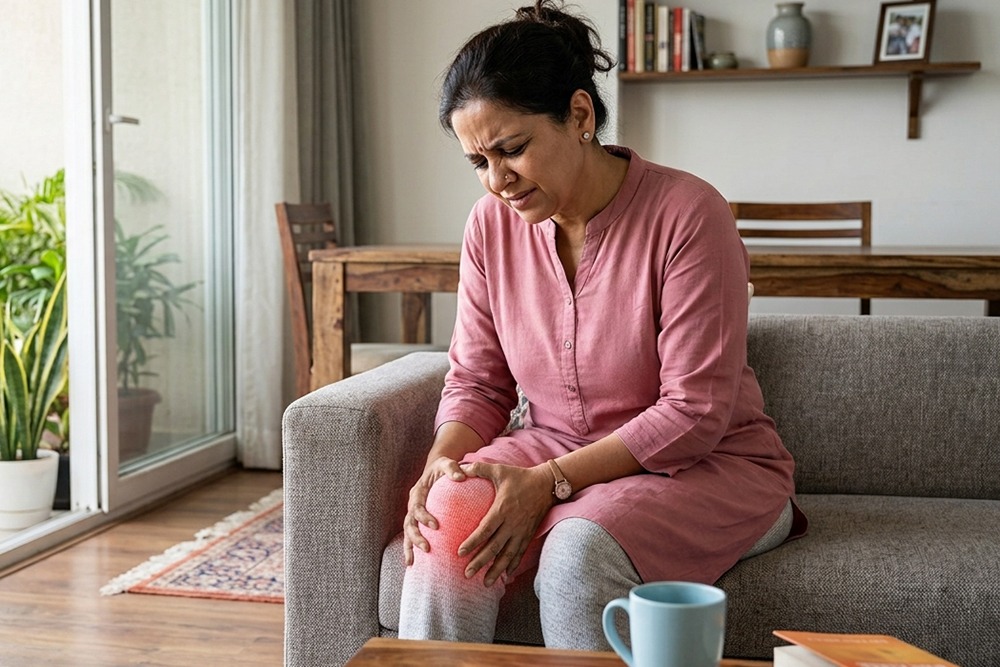
Is Constant Knee Pain Affecting Your Daily Life? Here’s What You Need to Know
Knee pain is one of the most common musculoskeletal complaints, affecting people of all ages. While it is often associated with ageing, persistent pain can also result from previous injuries, muscle…
Knee pain is one of the most common musculoskeletal complaints, affecting people of all ages. While it is often associated with ageing, persistent pain can also result from previous injuries, muscle weakness, poor movement patterns, excess body weight or repetitive strain. For many people, even everyday activities such as walking, climbing stairs or getting up from a chair become increasingly difficult.
Globally, musculoskeletal conditions affect more than 1.7 billion people and remain one of the leading causes of pain and disability. In India, knee pain is a major musculoskeletal concern and an important cause of reduced mobility, particularly among older adults, people with excess body weight and those with previous joint injuries.
Although knee pain is widespread, it should not be accepted as an inevitable part of ageing. Early knee pain management, combined with an accurate diagnosis and evidence-based treatment, can help improve mobility, reduce discomfort and support long-term joint health.
Why Does Knee Pain Develop?
The knee is one of the largest and hardest working joints in the body. It supports your body weight while allowing movement during walking, running, climbing and everyday activities. Because it absorbs significant force with every step, it is vulnerable to wear, injury and inflammation.
Several factors can contribute to ongoing knee pain, including:
- Previous ligament or cartilage injuries
- Osteoarthritis and gradual cartilage wear
- Tendon irritation from repetitive activities
- Weakness in the muscles around the hips and thighs
- Reduced flexibility and joint stiffness
- Poor posture or movement mechanics
- Excess body weight increasing stress on the joint
In many individuals, more than one of these factors may be present at the same time. This is why a personalised assessment is essential before deciding on the most appropriate treatment plan.
Occasional soreness after exercise is common, but persistent or worsening symptoms deserve attention.
Common warning signs include:
- Pain while walking or standing for extended periods
- Difficulty climbing or descending stairs
- Morning stiffness lasting more than a few minutes
- Swelling around the knee
- Clicking, catching or locking sensations
- Feeling that the knee is unstable or may give way
- Reduced ability to participate in work, sport or daily activities
Early assessment often helps prevent minor problems from progressing into more significant joint damage.
Understanding the Factors Behind Knee Pain
Many people assume the knee itself is always responsible for the pain. In reality, the problem may begin elsewhere.
Weak hip muscles can alter the way forces travel through the knee. Tight calf muscles or reduced ankle mobility may change walking mechanics. Previous injuries can lead to compensation patterns that gradually overload one side of the joint.
Inflammation may also contribute to pain, particularly in conditions such as osteoarthritis or tendon disorders. Persistent inflammation can reduce joint function and increase discomfort during movement.
Understanding these contributing factors helps clinicians develop personalised ways to manage knee pain rather than relying on temporary symptom relief alone.
Can Knee Pain Be Managed Without Surgery?
One of the biggest concerns people have is whether surgery is inevitable. Fortunately, many knee conditions respond well to conservative treatment when addressed early and consistently.
Modern knee pain management without surgery focuses on improving joint function, reducing inflammation and restoring movement rather than simply treating pain.
Depending on the underlying cause, non-surgical management may include:
- Personalised physiotherapy programmes
- Strengthening exercises for the hips, thighs and core
- Mobility and flexibility training
- Manual therapy where appropriate
- Activity modification
- Weight management when excess body weight increases joint loading
- Education on movement techniques that reduce stress on the knee
Evidence suggests that structured rehabilitation can improve pain, physical function and quality of life for many people with chronic knee conditions. Building strength and restoring movement early may also help reduce the progression of disability in some individuals.
The Role of Movement and Lifestyle
Many people avoid activity because they fear making their knees worse. While rest may help during an acute injury, prolonged inactivity often leads to muscle weakness, joint stiffness and reduced mobility.
Appropriate movement supports joint health by:
- Improving circulation
- Maintaining flexibility
- Strengthening supporting muscles
- Enhancing balance and coordination
- Reducing stiffness
Long-term improvements often come from combining appropriate movement patterns with healthy lifestyle choices that support strength, mobility and overall joint health.
Lifestyle Factors: Successful recovery extends beyond treatment sessions. Daily habits can influence joint health, inflammation and overall recovery.
Maintain a Healthy Body Weight: Every additional kilogram of body weight increases the forces transmitted through the knee during walking. Even modest weight reduction may lessen joint stress and improve symptoms.
Eat a Balanced Diet: A nutrient rich diet supports tissue repair and overall health. Foods containing lean protein, vegetables, fruit, healthy fats and whole grains provide nutrients that support musculoskeletal health and recovery.
Prioritise Sleep: Good quality sleep supports normal recovery processes and may help regulate inflammatory responses. Poor sleep is also associated with greater pain sensitivity and slower recovery.
Stay Consistently Active: Low impact activities such as walking, swimming and cycling help maintain joint mobility while supporting cardiovascular health without placing excessive stress on the knees.
Together, these habits make knee pain manageable for many individuals by improving overall resilience and supporting long-term joint health.
When Should You Consult a Doctor?
It is advisable to seek medical assessment if you experience:
- Persistent pain lasting several weeks
- Significant swelling
- Inability to fully straighten or bend the knee
- Locking or repeated instability
- Pain following a significant injury
- Symptoms that interfere with work, exercise or daily activities
Early diagnosis allows appropriate treatment to begin before movement patterns deteriorate further or joint function becomes increasingly limited.
Conclusion
Constant knee pain should never be accepted as an inevitable part of ageing or daily life. Whether symptoms arise from muscle weakness, inflammation, previous injury or joint degeneration, early intervention often leads to better outcomes.
Understanding the underlying causes is the first step towards effective recovery. Through personalised assessment, evidence-based rehabilitation and appropriate lifestyle support, there are many effective strategies for knee pain management before surgery becomes necessary.
At Mitogenez Longevity, we focus on helping you restore movement, improve strength and protect your long term joint health through personalised, science led orthopaedic care. Our goal is to help you move with greater confidence today while supporting healthier mobility for the years ahead.
Disclaimer: The information provided in this article is for general educational purposes only and should not be considered medical advice. If you are experiencing knee pain or any other joint problem, consult a healthcare professional for an accurate assessment, as the appropriate treatment and care depend on your specific condition and individual needs.