
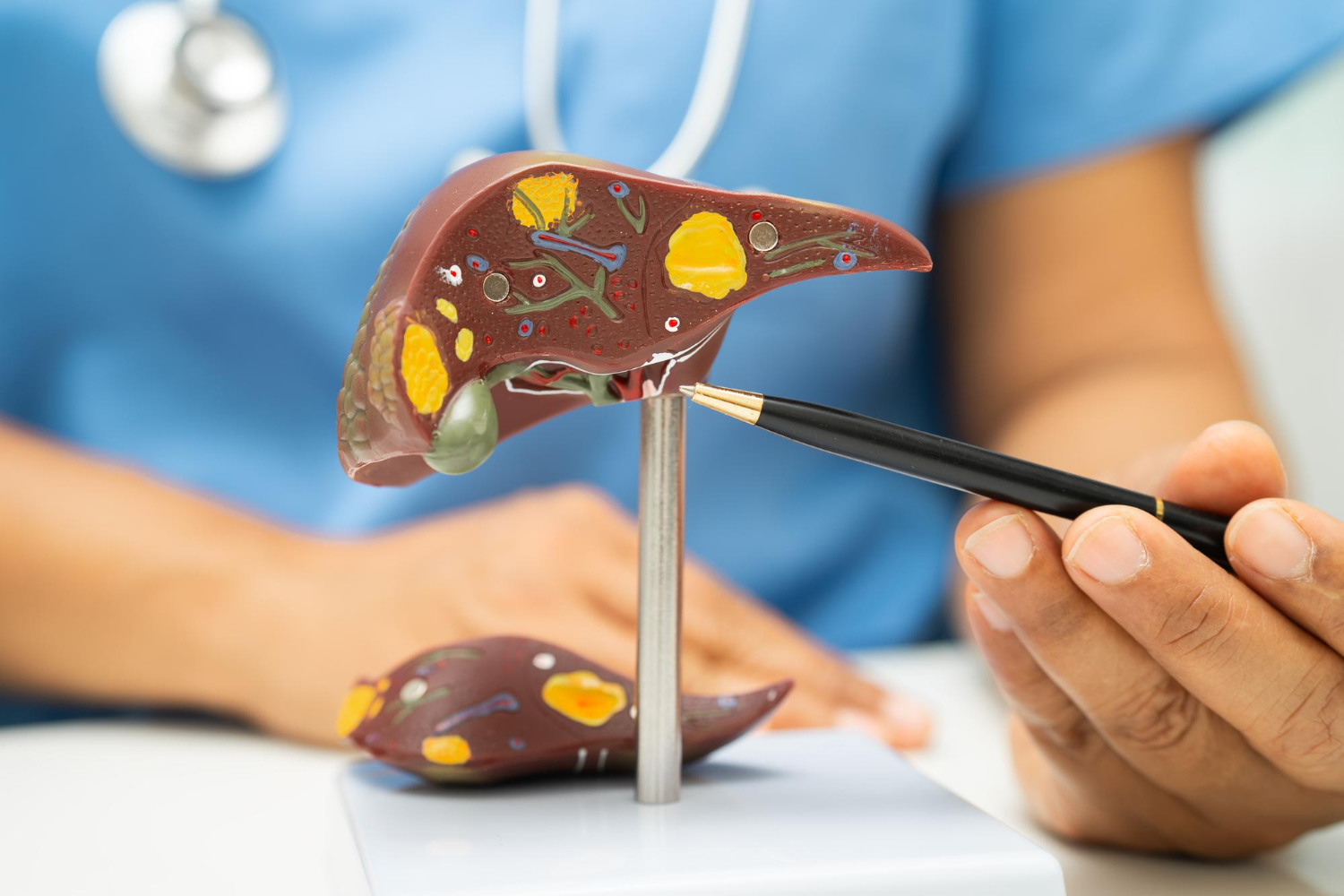
Fatty Liver Disease (Steatotic Liver Disease): Symptoms, Causes, Stages and How to Reverse It Naturally
Fatty liver disease has quietly become one of the most common health concerns of modern life, affecting approximately 30% of the global population. It often develops without noticeable symptoms,…
Fatty Liver: Symptoms, Causes, Stages and How to Manage It Naturally
Fatty liver disease has quietly become one of the most common health concerns of modern life, affecting approximately 30% of the global population. It often develops without noticeable symptoms, while silently progressing and disrupting the body’s ability to regulate energy, nutrients, and overall balance.Many individuals discover it incidentally during routine tests, long after the process has already begun.
The liver plays a central role in keeping the body functioning smoothly, from processing nutrients to clearing toxins. When excess fat begins to accumulate within it, this balance is gradually disturbed, influencing not just liver health but overall wellbeing.
At Mitogenez, fatty liver is viewed not as an isolated issue, but as part of a broader internal imbalance that requires a deeper and more structured approach.
In this article, we will explore in detail the causes, progression, associated risks and the practical strategies that can help manage and prevent fatty liver disease effectively.
What Is Steatotic (fatty) Liver Disease?
Fatty liver is more than just the presence of fat in the liver. It reflects a disruption in how the body processes and distributes energy. Under normal conditions, the liver carefully balances the production, use and transport of fat. When this system is disturbed, fat begins to build up inside liver cells, gradually affecting their structure and function.
As this accumulation increases, the liver’s ability to carry out essential tasks such as detoxification, nutrient conversion and maintaining chemical balance starts to decline. Over time, this can trigger internal stress responses that may lead to inflammation and tissue changes.
This perspective helps explain why fatty liver is not simply a storage problem, but a sign that the body’s internal systems are under strain.
- Liver fat accumulation: Excess fat interferes with normal cellular activity.
- Energy imbalance: Indicates disruption in how nutrients are processed and utilised.
- Silent progression: Develops gradually without noticeable early signs.
As this process continues, the liver shifts from maintaining internal balance to contributing to overall strain within the body. This transition often goes unnoticed until measurable changes appear.
Types And Terminology Of Fatty Liver Disease
Fatty liver disease is broadly classified based on its underlying cause and progression. Over time, medical terminology has evolved to better reflect its metabolic origins.
- NAFLD (Non-Alcoholic Fatty Liver Disease): A condition where fat accumulates in the liver in individuals who consume little or no alcohol. It is commonly associated with metabolic factors such as insulin resistance, obesity and altered lipid metabolism.
- NASH (Non-Alcoholic Steatohepatitis): A more advanced form of NAFLD where fat accumulation is accompanied by inflammation and liver cell damage. This stage carries a higher risk of progression to fibrosis and cirrhosis.
- Both NAFLD and NASH have been reclassified as MAFLD and MASH; however, the former terms remain widely used in clinical practice.
- MAFLD (Metabolic Associated Fatty Liver Disease): A newer term that emphasises the metabolic dysfunction underlying fatty liver. It focuses on identifying the condition based on metabolic health rather than excluding alcohol intake.
- MASH (Metabolic Associated Steatohepatitis): An updated term replacing NASH in many clinical discussions. It reflects inflammation and liver injury driven by metabolic imbalance, aligning with the MAFLD framework.
- ALD (Alcohol-Related Liver Disease): Occurs due to excessive alcohol consumption, leading to fat accumulation, inflammation and progressive liver damage. While distinct from metabolic fatty liver, it may coexist with metabolic risk factors, increasing overall severity.
- SLD (Steatotic Liver Disease): An umbrella term introduced to encompass all conditions characterised by excess fat accumulation in the liver. It includes both metabolic and alcohol-related causes, providing a more inclusive and clinically relevant classification system.
These evolving terms highlight an important shift in understanding. Fatty liver is no longer viewed simply as fat accumulation, but as a condition closely linked to metabolic health and systemic imbalance.
What Are The Symptoms Of Fatty Liver Disease?
Fatty liver often remains unnoticed in its early stages because the body does not immediately produce clear warning signs. As internal strain builds, subtle changes may begin to appear, which are frequently overlooked or attributed to everyday fatigue or stress. Over time, these signs may become more noticeable as the condition progresses. Being aware of these changes can help in identifying the condition earlier.
- Persistent fatigue: A feeling of low energy that does not improve with rest.
- Abdominal heaviness: A dull discomfort on the right side due to liver enlargement.
- Advanced signs: Swelling or yellowing of the skin in later stages.
These signs are part of a broader pattern rather than isolated concerns. Paying attention to them can support earlier detection and intervention. Ignoring them allows the condition to progress silently over time.
What Causes Fatty Liver Disease?
Fatty liver disease is primarily driven by metabolic dysfunction rather than a single external factor. It develops due to a combination of internal changes and lifestyle factors that influence how the body handles fat and energy. One of the key drivers is insulin resistance, which leads to increased fat storage within the liver. Over time, this creates a cycle that becomes difficult to break without targeted intervention.
Several factors contribute to this process.
- Insulin resistance: Encourages excess fat to be stored in liver cells.
- Visceral fat: Produces signals that negatively affect liver health.
- Chronic inflammation: Sustains and accelerates progression.
These elements interact continuously, reinforcing each other and increasing the burden on the liver. The condition therefore reflects a deeper imbalance rather than a single isolated cause. Addressing these root factors is essential for meaningful recovery.
Stages Of Fatty Liver
Fatty liver progresses through four recognised stages:
- Stage 1: Simple fatty liver with minimal damage.
- Stage 2: Inflammation begins and liver cells are affected.
- Stage 3: Fibrosis develops due to prolonged stress.
- Stage 4: Cirrhosis with severe scarring and impaired function.
Progression is often gradual and may remain unnoticed for years without appropriate evaluation.
Grades Of Fatty Liver
Fatty liver is commonly classified into grades based on the proportion of fat accumulated within liver cells, usually assessed through imaging such as ultrasound. This grading helps determine severity and guides clinical decisions. It reflects how much of the liver tissue is replaced by fat.
The classification is typically divided into three grades based on fat percentage.
- Grade 1 (Mild): Around 5 percent to 33 percent fat present in liver cells.
- Grade 2 (Moderate): Around 34 percent to 66 percent fat accumulation with noticeable changes.
- Grade 3 (Severe): More than 66 percent involvement with significant structural and functional disturbance.
As the percentage of fat increases, the risk of progression to inflammation, fibrosis and further complications also rises. Even mild stages should not be overlooked, as the condition can advance silently over time. With timely timely attention and appropriate care, progression can be slowed or reversed, especially in the early grades.
How Is Fatty Liver Disease Diagnosed?
Fatty liver disease requires a structured approach for accurate identification, as early stages may not be detected through basic testing. Initial reports may appear normal despite underlying changes. A more detailed evaluation provides a clearer understanding of liver health.
Different tools contribute to an accurate diagnosis.
- Blood tests: Offer initial insights but may not detect early changes.
- Imaging: Helps identify fat accumulation but may miss mild cases.
- Advanced evaluation: Provides detailed assessment of liver condition.
Accurate diagnosis is essential to determine the stage and guide the next steps. It also allows for a more personalised approach to care. Early detection increases the likelihood of reversal.
What Are The Complications Of Fatty Liver?
If left unaddressed, fatty liver can progress into more serious health conditions that affect not only the liver but the entire body. These changes often develop gradually and may not be immediately noticeable. Over time, the impact can become significant.
Understanding these risks highlights the importance of early action.
- Fibrosis and cirrhosis: Scarring that affects liver function.
- Cardiovascular disease: A major health risk associated with the condition.
- Liver cancer: Increased risk in advanced stages.
These outcomes reflect a long standing internal imbalance rather than a sudden change. Early management can help prevent progression.
Fatty Liver Graph Over The Years And Future Concerns
The rising prevalence of fatty liver reflects gradual shifts in lifestyle, dietary habits and overall health patterns over time.
- 1990: Approximately 18% of adults were affected globally.
- 2000: Prevalence rose by about 6%.
- 2010: Increased to nearly 30%.
- 2020: Surpassed 38% worldwide.
- 2030: Expected to rise further, alongside related metabolic conditions.
This steady rise highlights the need for greater awareness and early action. The increase is closely linked to reduced physical activity and dietary patterns. Younger age groups are now being affected more frequently. Without intervention, the overall burden is expected to continue rising.
When Should I Visit A Doctor For Fatty Liver?
Both non-alcoholic and alcoholic fatty liver disease can develop quietly, which makes it important to seek medical advice even when there are no obvious symptoms. Waiting until discomfort becomes noticeable may delay diagnosis and allow the condition to advance. Individuals with known risk factors should consider early evaluation.
Knowing when to seek help can make a significant difference.
- Low energy: Persistent fatigue may reflect reduced liver efficiency in processing nutrients and toxins.
- Existing conditions: Conditions like diabetes, obesity or high cholesterol increase the likelihood of liver fat accumulation and progression.
- Nausea: A feeling of uneasiness or sickness can occur when liver function begins to affect digestion.
- Yellowing of skin or eyes: This may indicate jaundice, a sign that the liver is struggling to process bilirubin.
- Itchy skin: Ongoing itching can result from bile salt accumulation due to impaired liver function.
- Loss of appetite: Reduced interest in food may be linked to metabolic imbalance and liver stress.
- Bloating: A sense of fullness or abdominal discomfort can occur due to liver enlargement or fluid retention.
- Swelling: Fluid build-up in the legs or abdomen may signal advanced liver involvement.
- Muscle and joint discomfort: Generalised aches can be associated with chronic inflammation linked to metabolic conditions.
Early consultation allows for identification of underlying concerns before significant changes occur. It also enables timely steps to manage the condition effectively. Proactive care plays a key role in long-term health.
Can Fatty Liver Disease Be Prevented?
Yes, fatty liver disease can be prevented through consistent lifestyle choices and early awareness. Prevention focuses on maintaining internal balance and reducing risk factors before the condition develops. A proactive approach significantly lowers the risk.
The following measures support prevention.
- Balanced nutrition: Helps prevent fat accumulation in the liver.
- Regular activity: Supports overall health and energy balance.
- Early screening: Identifies risk at an early stage.
Prevention requires consistency rather than short term effort. Healthy habits support both liver health and overall wellbeing. A proactive approach ensures better outcomes over time. Additionally, prevention reduces the likelihood of related health concerns. This contributes to improved overall health. Sustained effort ensures long term benefits.
Conclusion
Fatty liver disease reflects an underlying imbalance rather than an isolated condition and its silent progression makes early awareness essential. Understanding its origin allows for a more focused and effective approach to care, improving both immediate and long-term outcomes.
At Mitogenez Longevity, the approach centres on identifying and addressing these root causes through a comprehensive and personalised evaluation. By combining detailed assessment with targeted interventions across nutrition, lifestyle and advanced therapies, the focus is on restoring balance and supporting long-term health. This enables individuals to move beyond short term management towards lasting recovery, improved vitality and a healthier future.