Benefits of Red Light Therapy for Health, Recovery and Longevity
Red Light Therapy is an emerging therapeutic approach being explored for its potential role in supporting skin health, tissue repair and cellular function. Research has investigated its effects on…
Red Light Therapy is an emerging therapeutic approach being explored for its potential role in supporting skin health, tissue repair and cellular function. Research has investigated its effects on concerns such as wrinkles, redness, acne, scars and visible signs of ageing.
However, while early findings are encouraging in some areas, it is being studied for its broader effects on energy production, inflammation regulation, skin health and physical recovery.
What Is Red Light Therapy?
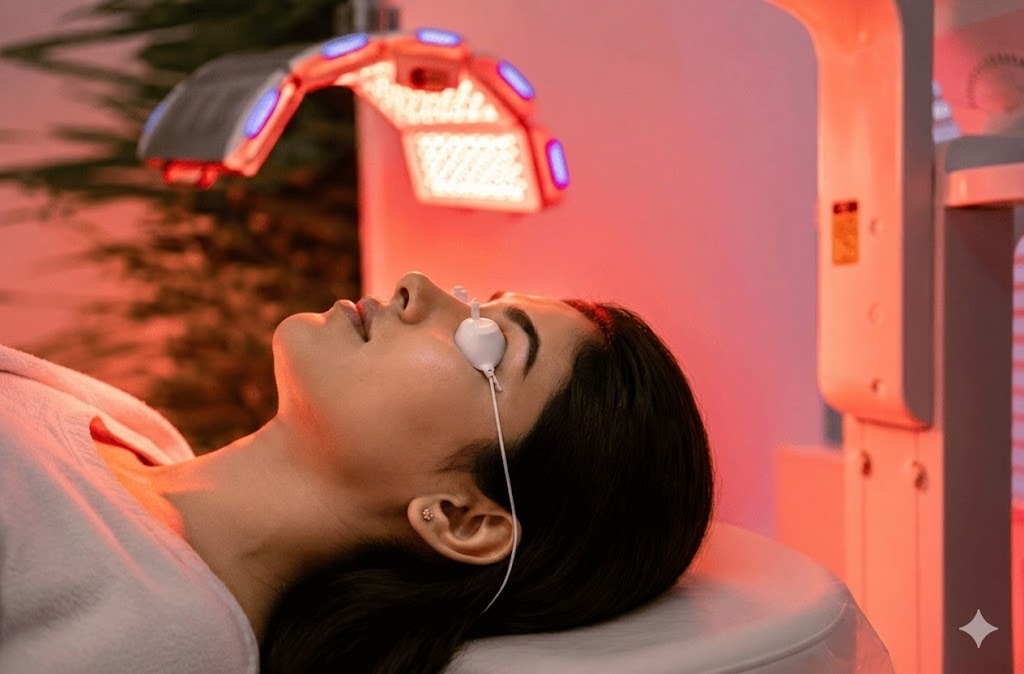
Red Light Therapy is a non-invasive therapeutic approach that uses specific wavelengths of red and near infrared light to interact with cells and tissues in the body. These wavelengths penetrate the skin and are absorbed by structures inside cells known as mitochondria.
The Mitochondria are responsible for producing cellular energy in the form of adenosine triphosphate or ATP. Since every biological process in the body depends on cellular energy, mitochondrial efficiency plays a central role in tissue repair, inflammation control, metabolic function and overall vitality.
When cells absorb red and near infrared light, several biological processes may become more efficient, particularly those involved in energy production and cellular communication. This is why Red Light Therapy is increasingly being explored in longevity medicine, recovery focused therapies and regenerative health strategies.
How Red Light Therapy Works
The effects of Red Light Therapy are closely linked to mitochondrial function. Light energy stimulates components within the mitochondria, particularly cytochrome c oxidase, which is involved in the cellular energy production process.
As mitochondrial efficiency improves, cells may produce energy more effectively and become better equipped to manage stress and repair damage. This enhanced cellular activity influences multiple biological systems simultaneously.
Potential physiological effects include:
- Increased cellular energy production
- Improved circulation and oxygen delivery
- Support for tissue repair mechanisms
- Better inflammatory regulation
- Enhanced recovery processes
These mechanisms explain why Red Light Therapy is being investigated across a wide range of health and longevity applications.
Cellular Energy and Mitochondrial Support
One of the most important benefits of Red Light Therapy is its influence on cellular energy metabolism. Modern lifestyles expose the body to chronic stressors such as poor sleep, pollution, metabolic dysfunction, emotional stress and sedentary behaviour. Over time, these stressors can impair mitochondrial efficiency.
When mitochondria struggle to produce energy efficiently, the body may experience:
- Fatigue and low stamina
- Slower recovery from physical or mental stress
- Reduced tissue repair capacity
- Poor metabolic resilience
- Increased oxidative stress
Red Light Therapy may help support mitochondrial performance by improving the efficiency of ATP production. Better energy production at a cellular level may contribute to improved vitality, enhanced physical recovery and greater biological resilience over time.
Because mitochondria are involved in nearly every organ system, cellular energy support has broad implications for overall health optimisation and healthy ageing.
Skin Health and Collagen Support
Red Light Therapy is widely recognised for its effects on skin health and tissue regeneration. Skin cells rely heavily on energy production for repair and renewal, particularly when exposed to environmental stressors such as ultraviolet radiation, pollution and oxidative damage.
Research suggests that Red Light Therapy may support:
- Collagen production
- Skin elasticity and firmness
- Reduction in visible skin stress
- Improved circulation to the skin
- Support for tissue healing and recovery
Collagen is a structural protein responsible for maintaining skin strength and integrity. As collagen production naturally declines with age, the skin may lose firmness and elasticity over time.
By supporting fibroblast activity, the cells responsible for collagen synthesis, Red Light Therapy may contribute to healthier skin structure and improved tissue repair processes.
These effects have increased interest in Red Light Therapy within regenerative aesthetics and longevity focused skin health programmes.
Sleep and Circadian Rhythm Support
Sleep is one of the most important biological recovery processes. During sleep, the body regulates hormonal balance, immune activity, tissue repair and neurological recovery.
Disrupted sleep patterns can impair mitochondrial function, increase inflammation and reduce overall resilience.
RLT may support circadian rhythm regulation and relaxation by influencing biological signalling pathways linked to sleep cycles.
Potential effects may include:
- Improved sleep quality
- Better recovery during rest
- Support for natural circadian rhythms
- Enhanced relaxation responses
Because sleep quality directly influences cellular repair and metabolic regulation, improving recovery during rest may contribute significantly to long-term health optimisation.
Individual Responses to Red Light Therapy
Responses to Red Light Therapy can vary depending on several biological and lifestyle factors. Not all individuals respond in the same way, which is why personalised assessment remains important.
Factors influencing outcomes may include:
- Baseline mitochondrial health
- Inflammation levels
- Metabolic function
- Sleep quality
- Nutritional status
- Stress exposure
Existing health conditions
For this reason, Red Light Therapy is often most effective when integrated into a broader health optimisation framework rather than being viewed as an isolated intervention.
Red Light Therapy and Longevity Medicine
Longevity medicine focuses on improving healthspan, not simply lifespan. This involves supporting the systems responsible for energy production, recovery, inflammation control and metabolic resilience.
Red Light Therapy aligns with this approach because it directly influences cellular function and mitochondrial activity. Rather than targeting only symptoms, it supports underlying biological processes that contribute to long-term health and functional resilience.
At Mitogenez Longevity, therapies are considered within a personalised framework that focuses on understanding the body as a whole rather than addressing isolated symptoms.
This approach may include assessment of metabolic and inflammatory health, evaluation of mitochondrial function, recovery and regenerative strategies, lifestyle and nutrition optimisation and advanced longevity-focused interventions designed to support overall health, resilience and long-term wellbeing.
This systems based approach helps ensure that therapies are aligned with individual biological needs and sustainable health outcomes.
Conclusion
Red Light Therapy is increasingly recognised for its potential to support cellular energy production, tissue repair, circulation, inflammatory balance and overall recovery. Its effects are closely connected to mitochondrial function, which plays a central role in health, resilience and ageing.
Although research continues to evolve, growing scientific interest has positioned Red Light Therapy as a valuable component within regenerative and longevity focused healthcare strategies.
Rather than being viewed as a guaranteed solution, Red Light Therapy should be considered within a medically informed and individualised framework. Responses may vary depending on skin type, underlying health conditions, treatment consistency and overall biological health.
Disclaimer: This article is intended for general informational purposes only and should not be considered medical advice. Red Light Therapy should be used under appropriate professional guidance, particularly for individuals with underlying medical conditions or those undergoing medical treatment.
Conclusion
Red Light Therapy is increasingly recognised for its potential to support cellular energy production, tissue repair, circulation, inflammatory balance and overall recovery. Its effects are closely connected to mitochondrial function, which plays a central role in health, resilience and ageing.
Although research continues to evolve, growing scientific interest has positioned Red Light Therapy as a valuable component within regenerative and longevity focused healthcare strategies.
Rather than being viewed as a guaranteed solution, Red Light Therapy should be considered within a medically informed and individualised framework. Responses may vary depending on skin type, underlying health conditions, treatment consistency and overall biological health.
Disclaimer: This content is for general informational purposes only and does not constitute medical advice, diagnosis or treatment. Always consult a qualified healthcare professional with any questions regarding a medical condition or health objective.